Meteorological,
Climatological & Atmospheric Science Professionals from 2026
Federal Directory
|
Notes:
1. The
Federal Directory of Scientists
& Professionals was removed from on line listings in March
2026. We have captured photos and information on many scientists
and researchers who were listed there. Several are
also seen at recent CMOS congresses, presenting, mentoring or chairing
sessions. 2. Information on 44 scientists was captured, but only
33 mug photos were downloaded before the directory was permanently
removed. Photos of 11 more scientists were found from other
recent sources and are likely the same as
on the deleted directory. Both groups are posted in alpha
order by surname; Please scroll down. CCCMa
- Canadian Centre for Climate Modelling and Analysis at University of
Victoria, BC |
 Kian Abbasnezhadi is a Physical Scientist, Environment and Climate Change Canada, Dorval, Quebec Current
research and / or projects:
|
 Reinel Sospedra-Alfonso is a research scientist working on application of earth system models and machine learning to seasonal-to-decadal climate prediction at CCCMa. |
 Vivek K Arora is a research scientist working on representation of terrestrial biogeochemical processes, including carbon cycle, in climate and earth system models and development, implementation, and application of land models and surface hydrological processes within Earth system models. Current research and / or projects:
|
|
 Paul A. Bartlett is a Research Scientist - Surface process modelling and measurement, undertalking testing and development of the CLASSIC land surface model using field measuremnts and simulations with Environment and Climate Change Canada Current
research and / or projects:
Contributing towards Environmental Prediction Science through the measurement and modelling of surface processes
|
 Courtney Bayer is a Physical Scientist, Canadian Meteorological Centre, Environment and Climate Change Canada Dorval, QC Canada Current
research and / or projects:
|
 Barrie Bonsal is a Research Scientist - Climate Impacts on Hydrology and Ecology conducting research to examine past and projected future climate change and variability on freshwater availability across Canada. He is with. Environment and Climate Change Canada, National Hydrology Research Centre (NHRC) Saskatoon, Canada Current
research and/or projects:
Contributing to Environment and Climate Change Canada’s mandate to conserve and protect Canada's water resources. Research and/or project statements:
|
|
 Alex J Cannon conducts research on climate extremes and climate projections with Environment and Climate Change Canada, Climate Data and Analysis Section, Climate Research Division, Victoria, BC Current research and / or projects: Activities that contribute to the understanding of the state, trends, variability, extremes, and future projections of climate at both global and regional scales. |
 Barbara Casati conducts research on verification methods for weather and environmental prediction . Current research and / or projects:
|
 Elton Chan is a physical scientist - Atmospheric Greenhouse Gases: Measurements, Modelling and Interpretation Current research and / or projects:
|
|
 Vincent Fortin is a Scientific Researcher, Terrestrial Environment Numerical Prediction Research, eteorological Research, Atmospheric Science & Technology, STB, Environment and Climate Change Canada, Canadian Meteorological Centre, Dorval QC Scientific Researcher - Hydrological Forecasting Develops automated systems that: - continuously estimate the quantity of precipitation falling over the canadian territory - estimate and forecast water levels and flows, with an emphasis on transboundary waters - provide gridded surface weather datasets that are suitable for surface and hydrological modelling Current
research and / or projects:
His work contributes to providing reliable information on the current and future state of various elements of the water cycle (precipitation, snow on the ground, soil moisture, water levels and flows), which increases the safety and efficiency of Canadian watershed management practices, and in particular of transboundary watersheds, when atypical situations occur (droughts, flooding, spilling of hazardous material). |
 Nathan Gillett is a research scientist and Coordinating Lead author, to the IPCC Sixth Assessment Reports Lead author, Working Group I contribution to the IPCC Fifth Assessment Report, Chapter 10. Lead author, WMO Ozone Assessment, 2014, Chapter 4. Current research and / or projects:Understanding, attributing and
predicting climate change through analysis of climate model simulations
and comparison with observations
Conducts research on the attribution of observed climate change and extremes, and projections of future climate change. Environment and Climate Change Canada Current research and/or projects:
|
 Since 2012 Syed Zahid Husain has been working as a research scientist within the RPN-A (Recherche en prévision numérique atmosphérique) section of Environment and Climate Change Canada (ECCC) Canadian Meteorological Centre, Dorval QC As a member of RPN’s research group on numerical methods, Dr. Husain's present work primarily focuses on improving the dynamics aspect of ECCC's NWP model to achieve better forecast accuracy for the department's various operational NWP systems. He contributes to refining the existing operational model as well as through new model developments to meet the requirements for devising the next-generation NWP systems. He has been a lead developer of a new height-based dynamical core of the GEM model that provides enhanced stability over steeper orography and thus will improve ECCC's high-resolution forecasting capabilites over complex terrain. |
|
 Lin Huang, ia a Research Scientist, leading stable isotope research, including isotope measurements in long-term climate forcers (e.g., δ¹³C-CO₂and δ¹⁸O-CO₂), as well as in short-lived climate forcers (e.g., black carbon and organic carbon in carbonaceous aerosols), to attribute emission sources and track their changes over time. Current research and / or projects:
|
 * Liisa Jantunen was an analytical environmental chemist & research scientist Liisa worked as a Research Scientist in the Atmospheric Science and Technology Directorate. Based in Egbert, Ontario, she first joined ECCC as a co-op student in 1992 and went on to build a distinguished career in environmental science. She was nationally and
internationally recognized as a leading expert
in contaminants and microplastics research. Her work advanced
understanding of the environmental fate of these pollutants in support
of ECCC's Air Pollution Program, the Chemicals
Management Plan, the Oil Sands Monitoring Program, the Canadian Plastics Science Agenda, the Northern Contaminants Program, the Great Lakes Water Quality Agreement, as well as other northern initiatives. Her research also contributed to
key international efforts, including
the Stockholm Convention on Persistent Organic Pollutants and its
Global Monitoring Plan, the United Nations Convention on Long-Range
Transboundary Air Pollution, and the Arctic Council's Arctic Monitoring
and Assessment Programme.
Liisa had a deep passion for the
Arctic and spent much of her career
conducting fieldwork there, both on land and at sea, combining her love
of travel with her dedication to scientific discovery.
* Liisa Jantunen died in 2026. Please see the Deceased List |
 Slava Kharin is a research scientist with ECCC Victoria, BC Current research and/or projects:
|
|
 Nicolas Lambert is a physical scientist working on ocean modelling and coupling infrastructure as part of the development of the Canadian Climate Earth System Model (CanESM). Professional activities / interests: His work focuses on numerical modelling to simulate the physical and biological processes occurring in the world's oceans, helping to better understand their evolution over time. He is also involved in a project analyzing the results of various climate change models from the IPCC and developing regional modelling to assess the impacts of anthropogenic greenhouse gas emissions on oceanographic conditions |
 Sylvie Leroyer is a Research Scientist in Urban boundary-layer processes and surface processes. She is an urban meteorology specialist at the Environmental and Weather Numerical Prediction section (RPN-E) at the Meteorological Research Division, Environment and Climate Change Canada Centre Météorologique Canadien, Dorval, QC (region de Montreal) Her research includes High-resolution atmospheric modelling in urban areas, development of numerical systems for weather and environment prediction and for impact studies. Current
research and / or projects:
|
 John Liggio is a research scientist with expertise on gas and particle chemistry research and understanding atmospheric processes leading to secondary organic chemicals. Current research and / or projects: Field and laboratory studies of primary aerosol emissions, secondary organic aerosol formation, evolution, transformation and fate; understanding the processes controlling the formation of smog
|
|
 Ray Nassir Current research and / or projects:
Professional activities / interests:
|
 Shabnaz Pashapour, Assistant Research Manager at CCCMa. Supports CCCma science program delivery, line manages scientists who are members of different CCCMa scientific working groups, oversees CCCMa staffing, and supports CCCMa management and operation. |
 Natasha Ridenour is a Research Scientist, Environment and Climate Change Canada, Victoria, British Columbia. She is interested in using high resolution regional models to understand oceanic processes in Canadian waters and how these processes might change in a future climate. |
|
 Damien Ringeisen's role at CCCma is to develop and maintain the sea ice component of the Canadian Earth System Model (CanESM), and to perform research in cryospheric and climate sciences and present my research in sciencific articles and internationnal conferences. Current
research and / or projects:
|
 John Scinocca is a Research Scientist responsible for coordinating the development and application of the regional climate model, CanRCM; support the development and application of the global Earth System model, CanESM, including its tuning, online bias correction and its applications for future climate projections and seasonal prediction; support and contribute to the development of the package of physical parameterizations in the global atmospheric model, CanAM. He has expertise in climate modelling circulation. |
 Pourya Shahpoury, Research Scientist - Aerosol chemistry and health, is conducting field and laboratory measurements to study the inhalation toxicity of organic and inorganic air pollutants. Current activities:
|
|
 Sangeeta Sharma is a Physical Scientist - Study Leader - Aerosol chemical and optical properties specialist including black carbon. Leading Canadian Aerosol Baseline Measurement (CABM) program that monitors changes in emissions and transport on the optical and chemical properties of the aerosol at various Canadian locations including the high Arctic, Alert. Environment and Climate Change Canada Current
research and / or projects:
Coordinating and Managing Canadian Aerosol Baseline Measurement program and related research activities
|
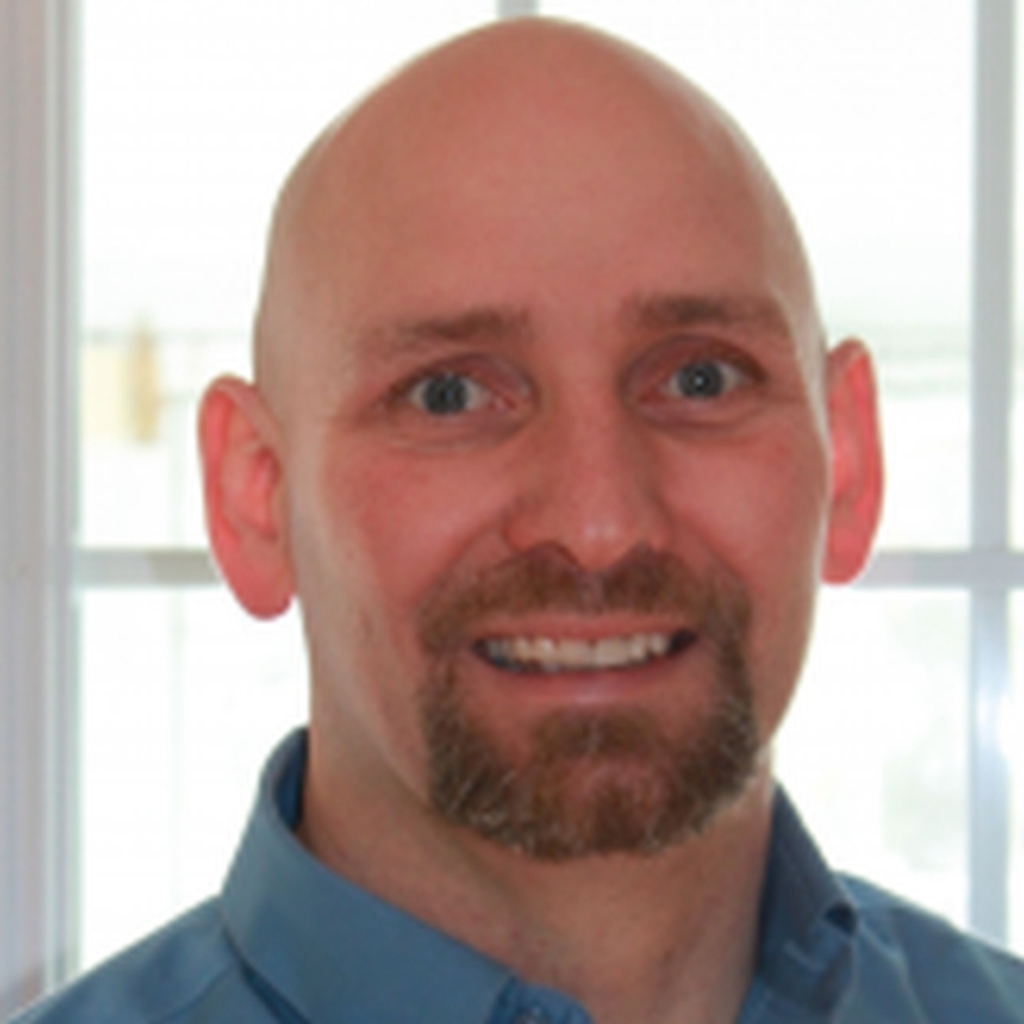 Mark Shephard is a scientist with ECCC, Downsview ON Current research and / or projects: Main efforts include utilizing
satellite remote sensing to further advance the air quality research
and applications (i.e. air quality monitoring, air quality model
evaluations, cumulative effects of deposition, and emission of
pollutants). |
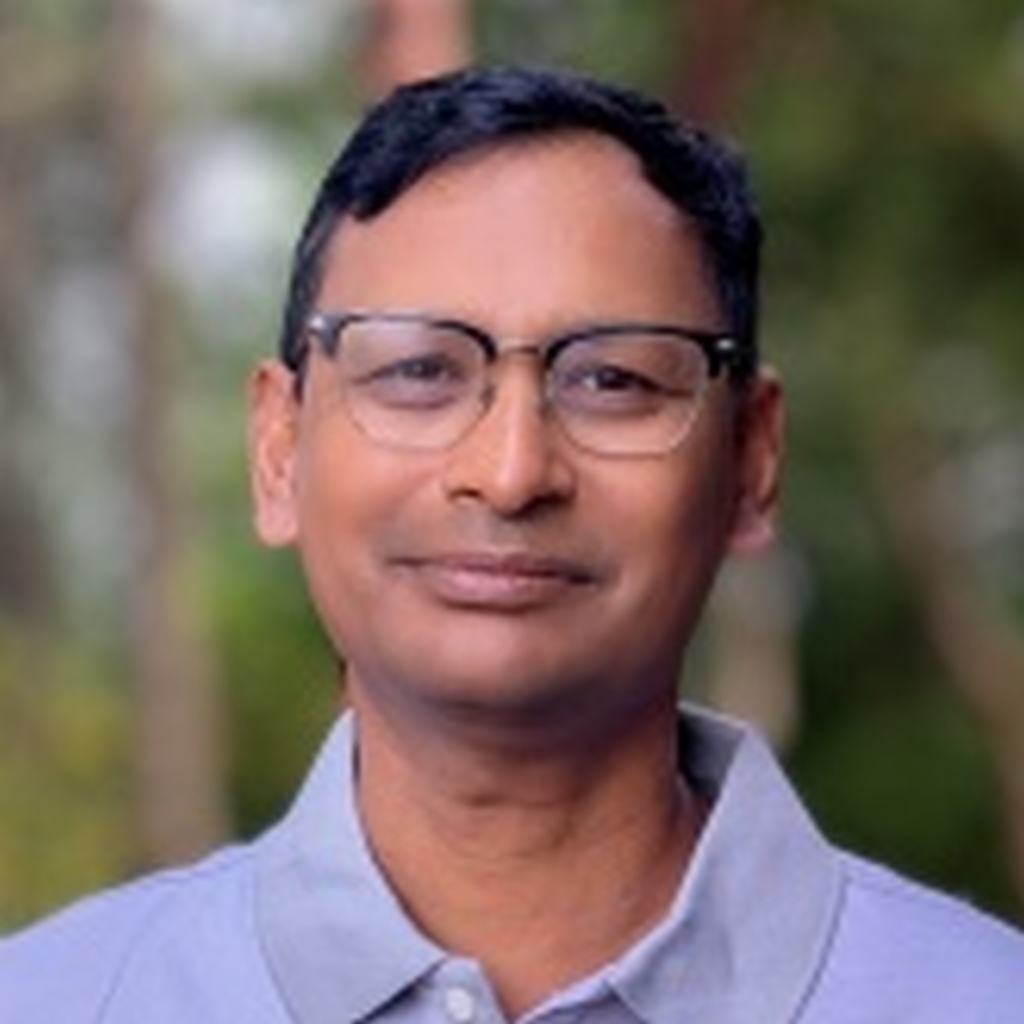 Rajesh R. Shrestha, is a research scientist, Hydro-Climatic Impacts. Current research and / or projects: Large-scale hydrologic modelling
and assessment. Cascading impacts of
climate change on hydrological processes (e.g., snowpack, water
quantity and quality). Attribution and projection of hydrological
extremes (floods and drought).
|
|
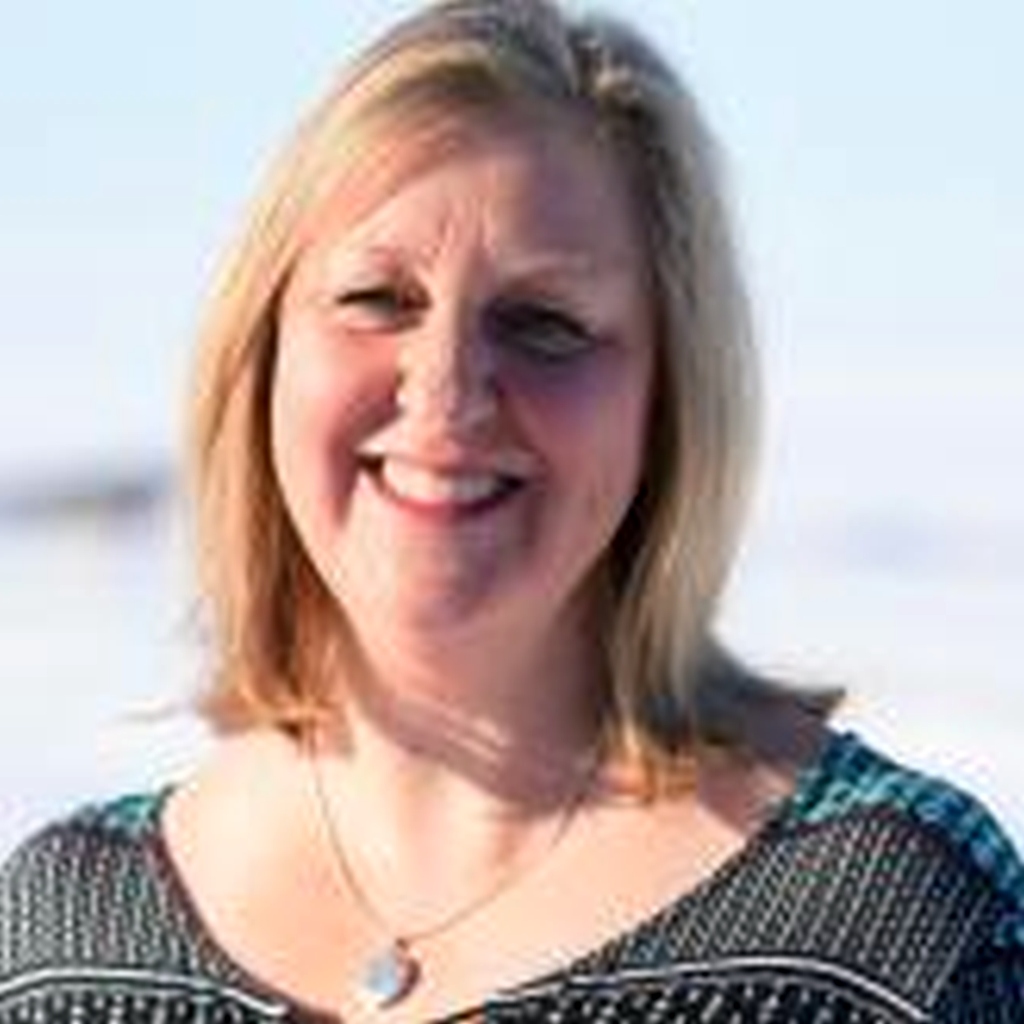 Alexandra Sandy Steffen is a National Senior Mercury Researcher Lead mercury researcher for
Atmospheric
Processes Research Section specializing in environmental processes
relating to the transport, transformation and deposition of mercury in
and around the atmosphere.
Current research and / or projects: Lead mercury researcher for
Atmospheric
Processes Research (ARQP) Section specializing in environmental
processes relating to the transport, transformation and deposition of
mercury in and around the atmosphere.
|
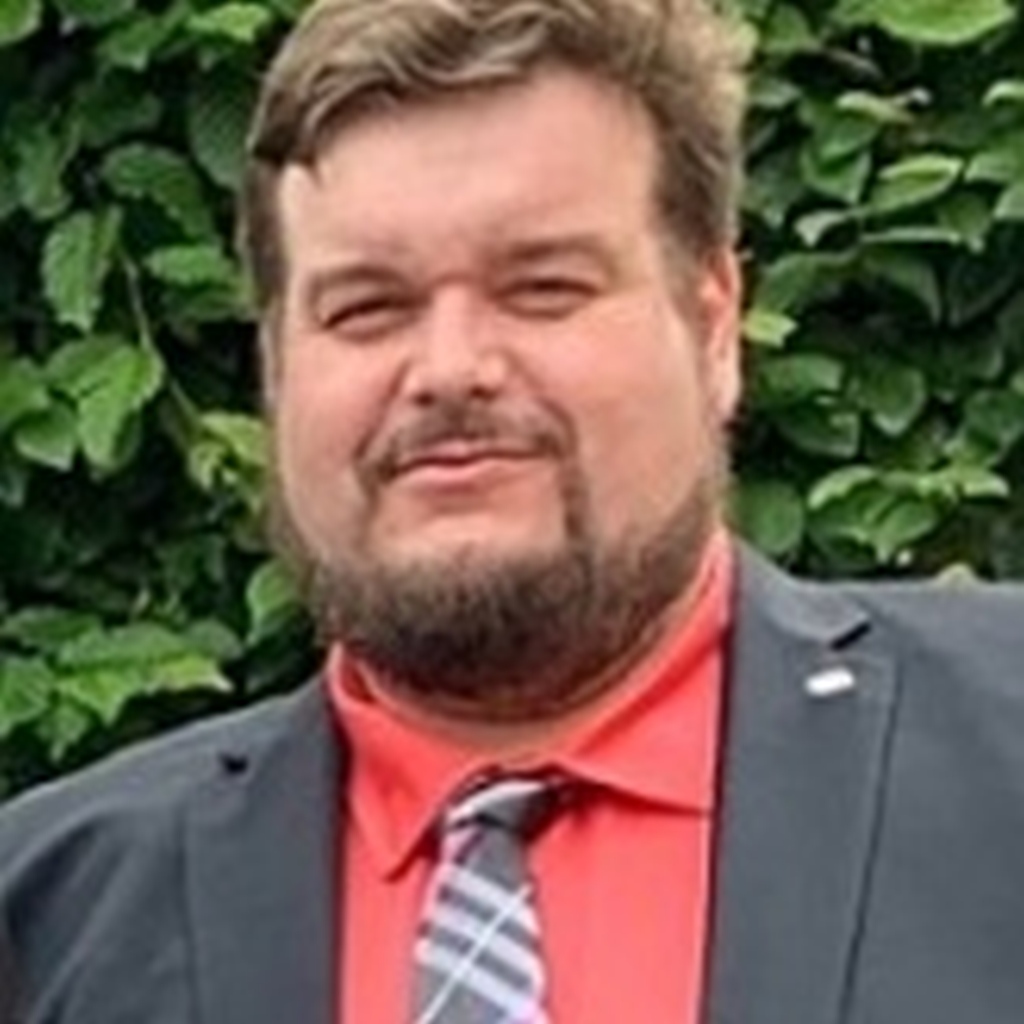 Felix Vogel leads research on atmospheric greenhouse gases at the subnational scale as member of the Climate Chemistry Measurement and Research section of Environment and Climate Change Canada. Current research and / or projects:
|
 Xiaolan L Wang, Senior Research Scientist - Leader, Data Theme, Climate Data and Analysis. is studying Climate trend / extremes / variability analysis, and development of methodologies for more realistic assessment and better understanding of climate trend/extremes/variability, to provide international leadership in this area of research, and to provide critical information to support the Department’s mandate within her areas of expertise. Current activities:
|
|
 Cynthia H Whaley is a research scientist with CCCMa, working on model development and applications of short-lived climate pollutants and climate-air quality feedbacks. Her current research and / or projects are: Research of climate and air quality issues and interactions using Earth System Models (ESMs) and other atmospheric models. Development and applications of the Canadian Earth System Model, CanESM, focused on short-lived climate pollutants in CanESM, including lightning, fire, and methane processes. Professional activities /
interests
|
 Megan Kirchmeier-Young is a research scientist working on climate extremes. Her current activities contribute to the understanding of the
state, trends, variability, extremes, and future projections of
climate at both global and regional scales including:
|
 Xuebin Zhang, Senior Research Scientist, research contributes to the understanding of the state, trends, variability and extremes of climate at both global and regional scales. Current activities:
|
Meteorological, Climatological & Atmospheric Science Professionals from 2026 Federal Directory with Mug Photos from other Directories
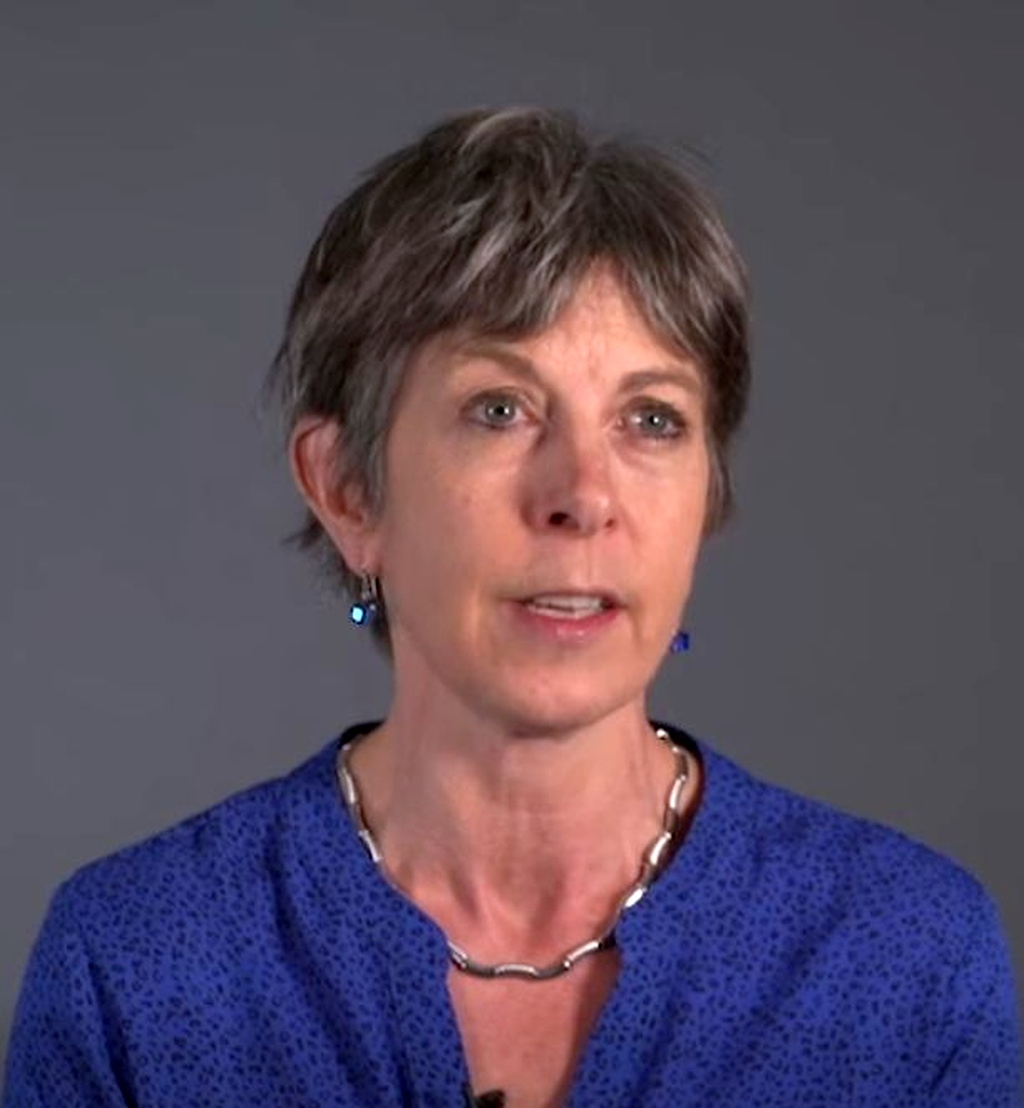 Elizabeth Bush is a Senior Climate Science Advisor with ECCC who provides advice related to change change science. Current research and / or projects:
|
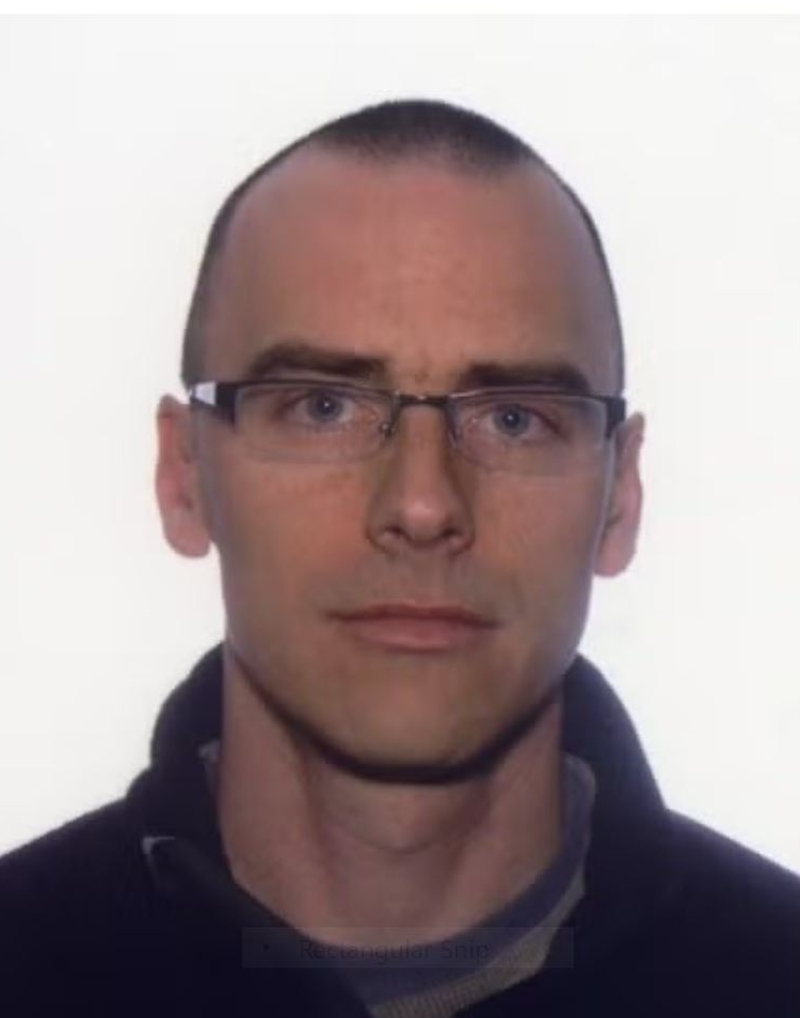 Chris Derksen is an ECCC scientist Identifying interactions between the climate system and the cryosphere using satellite derived datasets and climate models. Current
research and / or projects:
Developing new knowledge on the state, variability, and change in the cryosphere, including the role in the climate system
|
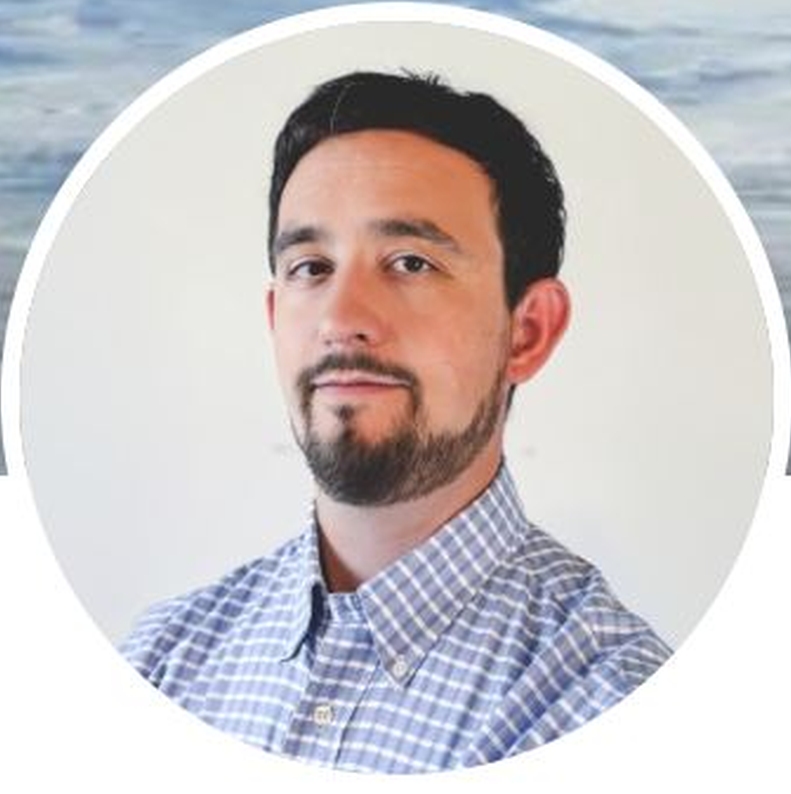 Salvatore Curasi is a Research Scientist, CCCMa, AS&T, STB, ECCC. He develops and evaluates land surface processes including biogeochemical processes in CLASSIC and CanESM. Current
research and / or projects:
Developing and analyzing land surface processes within earth system models:
|
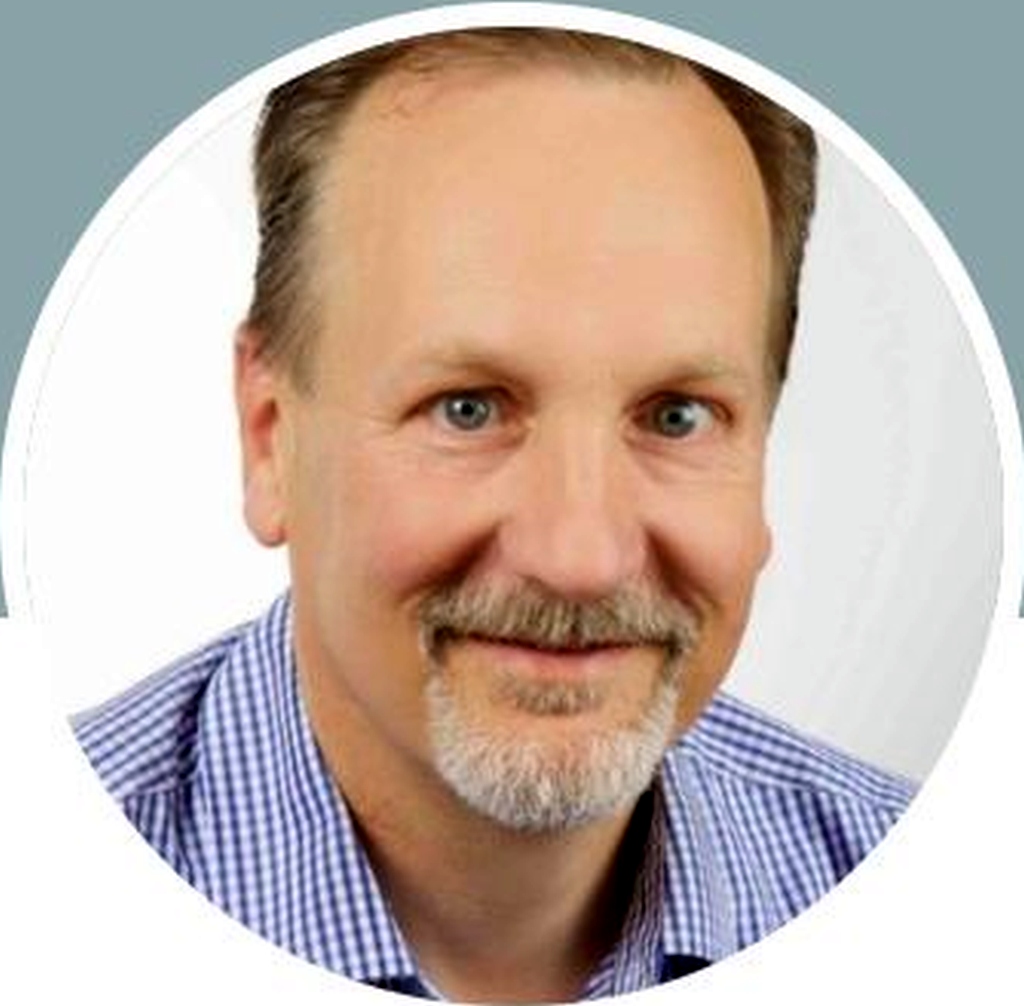 Greg Flato is a Senior Research Scientist with ECCC and CCCMa conducting research related to Environment Canada's global and regional earth system models, and their application to historical climate simulation, seasonal to interannual climate prediction, and long-term climate projection. Current
research and / or projects:
Development, application and evaluation of global and regional climate models. |
 Parsa Gooya is a Climate Modeling Scientist, CCCMa, Climate Research, AS&T, STB, ECCC working on Seasonal to Decadal Predictions (S2D), Group member working on 1- Applications of Machine Learning for improving S2D predictions. 2- Analysis and Diagnosis of the Ocean Biogeochemistry predictions. Current research and / or projects: Machine Learning:
Ocean Biogeochemistry diagnosis:
|
 Luke Grant is a Physical Scientist with ECCC and CCCMa working in a support role for the land modeling group of CanESM under the supervision of Vivek Arora. Expertise: Environment, climate change and processes, climate trends and variability, climate modelling, carbon budget |
 Mathieu Lachapelle is a Research Scientist and Cloud microphysicist, CCCMa, AS&T, STB, ECCC (Dorval QC). Current
research and / or projects:
|
 Elizaveta Malinina is a Research Scientist,CCCMa, AS&T, STB, ECCC, conducting climate research on attribution of extreme events and temperature changes in Canada.
Current research and / or
projects:
Developer of rapid extreme
event attribution system. Member of CMIP7 Model Benchmarking Task Team.
|
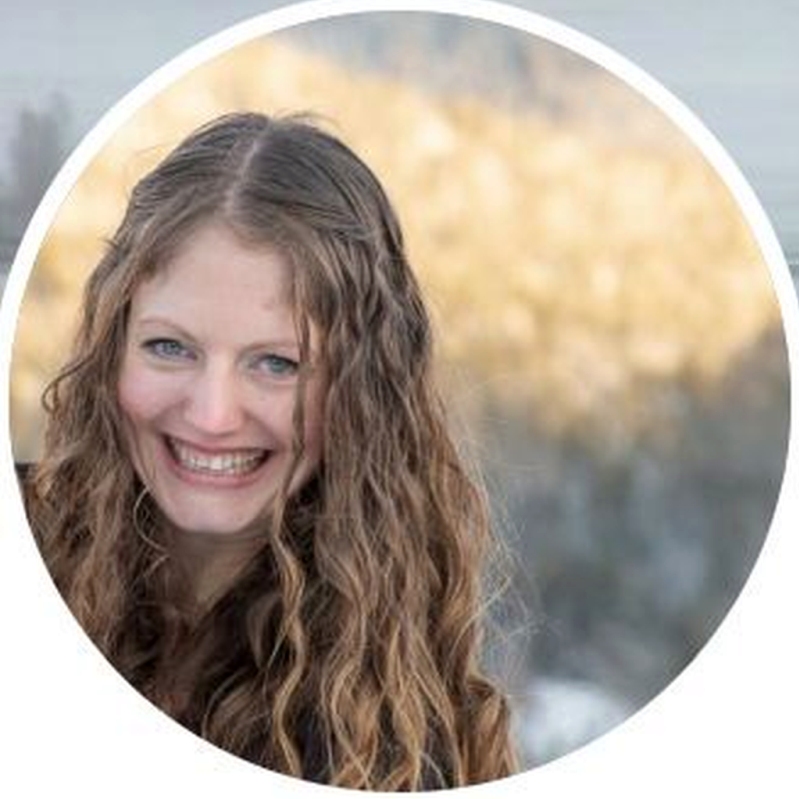 Elizabeth Ramsay is a Physical Scientist with ECCC and CCCMa. Current
research and / or projects:
Research, development and analysis for climate model tuning |
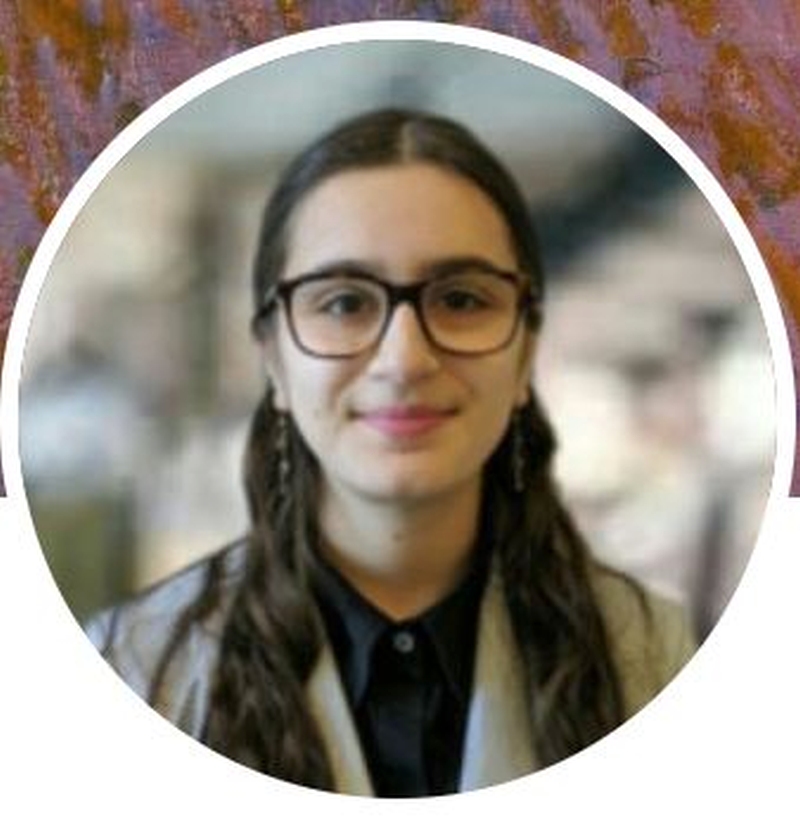 Victoria Spada is a Physical Scientist, CCCma, Climate Research, AS&T, STB, ECCC. Current
research and / or projects:
Development and maintenance of methods and tools to enable the development and application of the Canadian Earth System Model (CanESM) and Canadian regional climate model (CanRCM). Processing and preparing forcings, initial conditions, and other data required to run the models. |
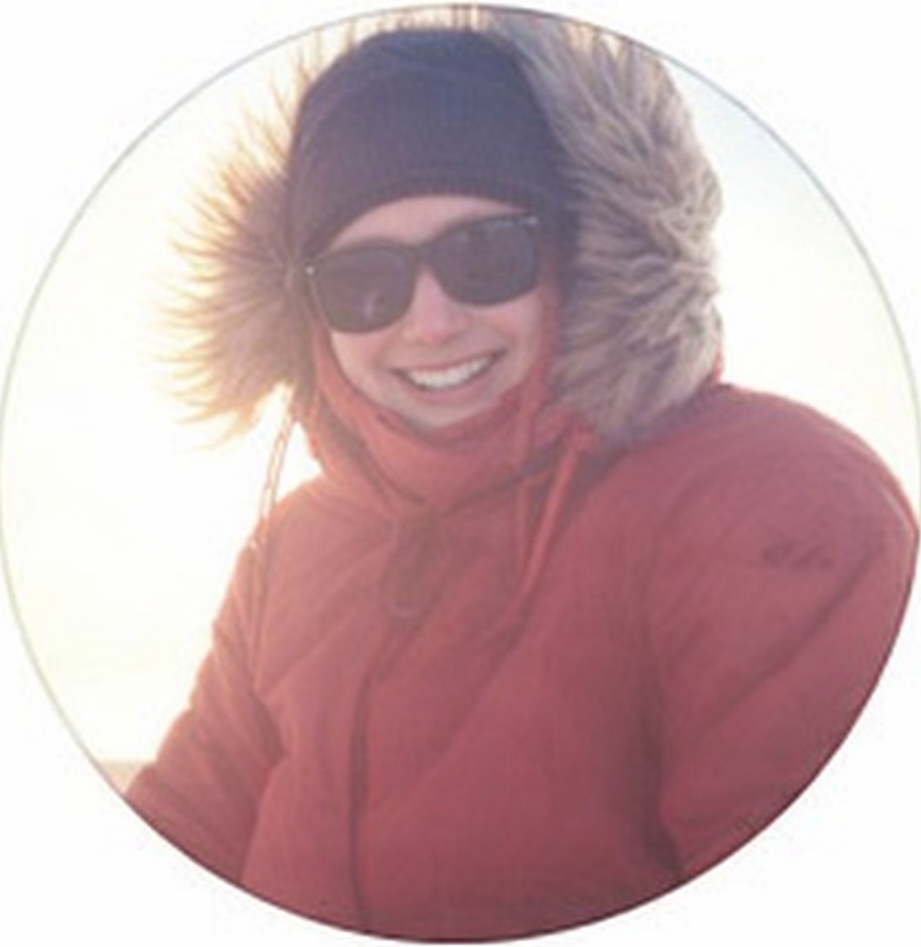 Najda Steiner is a Research Scientist with DFO / IOS Sidney BC. She develops numerical models for Arctic marine ecosystems and biogeochemical cycles and assesses Arctic marine ecosystem responses to climate change, including its global and regional impacts. Dr. Steiner co-chairs the international expert community on Biogeochemical Exchange Processes at Sea-Ice Interfaces (BEPSII). Current
research and/or projects:
|
Return to Index